
Agriculture & Natural Resources
Agricultural & Natural Resources Agent

Lawn & Garden Care
- Soil Testing Instructions
- 5 Minute Guide to a Great Lawn - Centipede
- 5 Minute Guide to a Great Lawn - St. Augustine
- 5 Minute Guide to a Great Lawn - Bermuda
- 5 Minute Guide to a Great Lawn - Zoysia
- Mowing Heights
Pesticide Applicators License
Pesticide License Credit Hours - To check how many credit hours you have or need (and the due date) for your pesticide license you can go to Georgia Dept. of Ag website and enter your name or you can call our office at (229) 436-7216 and we will find your information for you.
Note: You can also check for upcoming programs that offer pesticide credits at this same website.
To obtain a new license, please contact our office and we will send you detailed instructions on how to complete the pesticide applicator's training and submit your application.
Agricultural and Natural Resources Blog
Press Release: 2026 Southwest Georgia Master Naturalist Program at Chehaw Park & Zoo
UGA Dougherty County Extension/4H is collaborating with Chehaw Park & Zoo in Albany to bring the Georgia Master Naturalist Program for the first time in the southwest Georgia. Georgia Master Naturalist Program is a popular adult education program developed by the UGA Warnell School of Forestry & Natural Resources and UGA Cooperative Extension offered through […]
Mid-season Update on Pecan Scab in Albany, Georgia
Pecan scab is a major concern for pecan growers during this time of the growing season. The hot and humid South Georgia summer provides favorable environmental conditions for the development and spread of pecan scab. It is challenging for growers to keep the disease pressure under control in the susceptible cultivars. Growers depend on strict […]
Mid-season Fertilizer Management of Pecans
Mid-season fertilization is important for pecan production to ensure higher nut yield and quality. Pecan trees have peak nitrogen demand during the foliage growth stage in early spring and the kernel filling stage in late summer. The tree progressively sizes the shell, fills it with liquid endosperm, and deposits the kernel between these two peaks […]
Summer Internship Opportunity at UGA Dougherty County Extension
UGA Extension offers a paid internship opportunity in the summer for undergraduate and graduate students to get hands-on experience and explore potential career in Extension. We are looking for a full-time intern for Summer (May, June, July) 2026 to work under the supervision of the Agricultural & Natural Resources (ANR) Extension Agent in Dougherty County. […]
Extension Publications
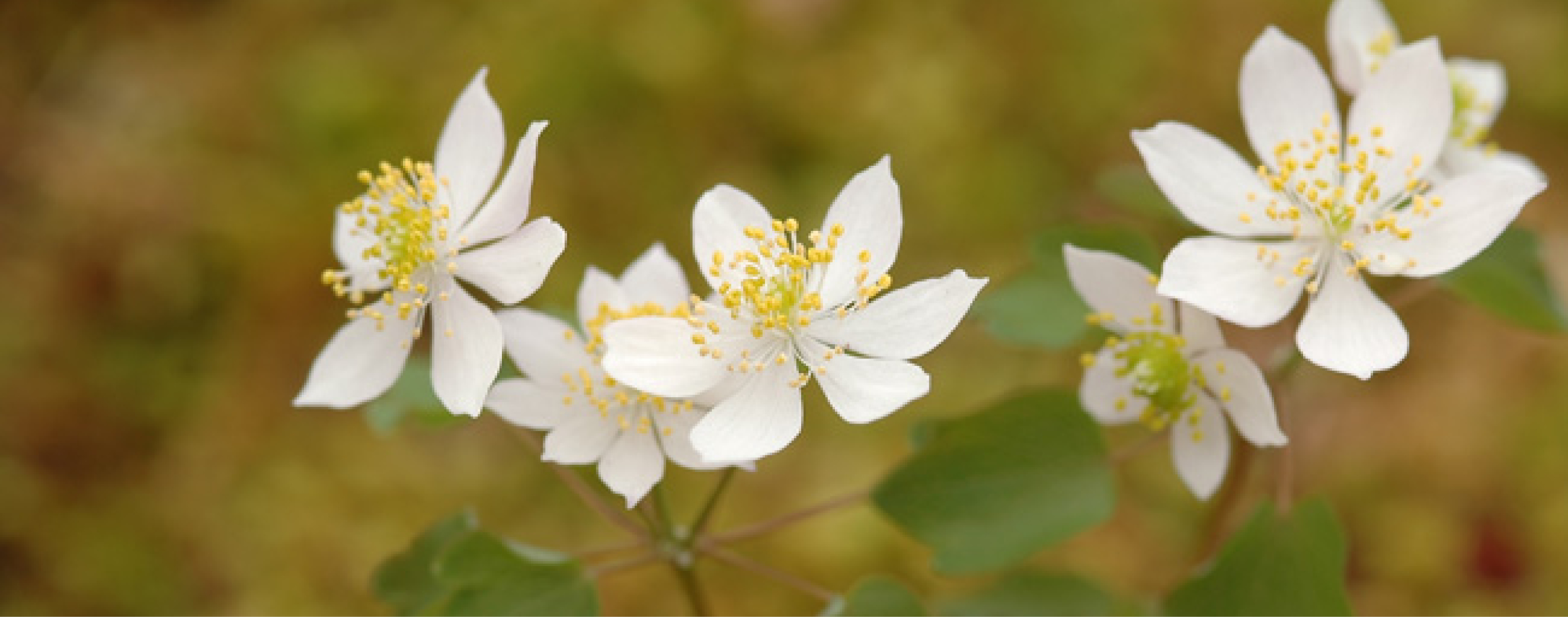
Native Plants for Georgia Part I: Trees, Shrubs and Woody Vines
(B 987)
This publication focuses on native trees, shrubs and woody vines for Georgia. It is not our intent to describe all native species — just those available in the nursery trade and those that the authors feel have potential for nursery production and landscape use. Rare or endangered species are not described. Information on each plant is provided according to the following categories: Common Name(s)/Botanical Name/Family, Characteristics, Landscape Uses, Size, Zones and Habitat.

Time Management: 10 Strategies for Better Time Management
(C 1042)
Learn 10 strategies for better time management, including knowing how to spend your time, setting priorities, using planning tools, getting organized, scheduling, delegating, and avoiding procrastinating, wasting time, and multitasking.

Your Household Water Quality: Odors in Your Water
(C 1016)
Homeowners sometimes experience unpleasant odors in their household water. In many cases, the exact cause of the odor is difficult to determine by water testing; however, this publication provides a few general recommendations for treating some common causes of household water odors.
Conversion Tables, Formulas and Suggested Guidelines for Horticultural Use
(B 931)
Pesticide and fertilizer recommendations are often made on a pounds per acre and tons per acre basis. While these may be applicable to field production of many crops, orchardists, nurserymen and greenhouse operators often must convert these recommendations to smaller areas, such as row feet, square feet, or even per tree or per pot. Thus pints, cups, ounces, tablespoons and teaspoons are the common units of measure. The conversion is frequently complicated by metric units of measure. This publication is designed to aid growers in making these calculations and conversions, and also provides other data useful in the management, planning and operation of horticultural enterprises.
Upcoming Events
Oct 6
Weirdest Insects in the World!
Let Lisa Klein with UGA Extension Gwinnett introduce you to some of the oddest insects on the planet! From bugs that glow and dance to creatures with unbelievable shapes, colors, and survival tricks, you’ll meet a lineup of truly mind-boggling bugs and discover what makes them so wonderfully bizarre. Packed with fascinating facts, this session is perfect for anyone curious about the strange critters that crawl, fly, and hide all around us. Come celebrate the weird, we guarantee you’ll never look at insects the same way again! This program qualifies for master gardener continuing education credit.
Oct 6
Homemade Pepper Jelly Preservation Workshop - Spalding County
Griffin, GA
Join us for a hands-on workshop to learn the basics of home food preservation. In this class, participants will learn how to safely make and preserve pepper jelly using a research-based water-bath canning method.